The question of compatibility stands as the first and most formidable barrier for any driver considering an upgrade to Car Led Tail Lights. A vehicle's wiring architecture, housing dimensions, and onboard computer systems vary dramatically across makes and production years. One model from a European manufacturer might require a CAN-bus decoder to prevent dashboard errors, while a domestic truck might accept a simple plug-and-play unit without any additional components -4-9. The central inquiry for any owner, therefore, remains: does a single manufacturer, like Carlamp-Factory, offer the precise engineering to bridge these diverse electrical and physical gaps without demanding complex modifications from the end-user?
Understanding the root of the fitment challenge begins with the vehicle's electrical language. Modern cars often utilize multiplexed networks where the lighting system communicates with the central computer. Traditional incandescent bulbs draw a specific amount of current. When an LED unit, which draws significantly less power, is installed, the computer may interpret this lower draw as a failed bulb, triggering a hyper-flash for turn signals or a persistent error code -1-5. Some aftermarket options attempt to solve this with external resistors that mimic the power draw of a halogen bulb, but these components generate substantial heat and require careful mounting to avoid damage -9-11. A manufacturer that accounts for this electrical variance during the design phase, rather than relying on aftermarket workarounds, inherently offers a superior solution.
Physical fitment presents an equally complex layer of consideration. The mounting brackets, connector pinouts, and housing contours are frequently unique to a specific generation of a vehicle. A product designed for a 2018 model may share a similar aesthetic with a 2022 version, yet the bolt holes or wiring plug could differ by millimeters, preventing installation -5. This is where the distinction between a general parts supplier and a specialized factory becomes apparent. A facility that integrates research, design, and production, such as the one operated by Baozhiwei, possesses the capability to verify these specifications against original equipment data. This direct engineering feedback loop allows for the production of units that respect the original geometry and electronic architecture, reducing the need for adapters that can compromise the integrity of the installation.
The complete manufacturing cycle, from the initial CAD design to the final testing phase, determines the ultimate quality of a tail light assembly. A one-stop production line ensures that each unit is subjected to rigorous checks for water resistance, luminance, and thermal management before it leaves the facility -1-4. The cleanliness of the workshops directly impacts the longevity of the LED modules, as dust or contaminants can cause premature failure of the optical lenses. This level of control over the supply chain and assembly process provides a level of consistency that is difficult to achieve through distributed, third-party sourcing.
When a driver begins the search for compatible lighting, they often find themselves navigating a marketplace of ambiguous listings and universal claims. The specific details about connector types, required resistors, and coding procedures are frequently omitted or generalized. A factory that specializes in customized and sequential lighting solutions has a vested interest in providing accurate compatibility information, as mis-specified products directly impact their reputation and return rates -2-8. This pursuit of precision transforms the act of purchasing a light assembly from a gamble into a calculated upgrade.
Ultimately, the decision hinges on the source of the product. A brand that is synonymous with a specific manufacturing entity, such as Carlamp-Factory, offers traceability that generic suppliers cannot match. The engineering decisions are made with full knowledge of the vehicle's requirements, not as a compromise to fit as many cars as possible. While adapters and resistors can often force a square peg into a round hole, the ideal solution is a unit engineered from the start to fit the designated socket without ancillary modifications. This approach reduces installation time and eliminates potential points of electrical failure.
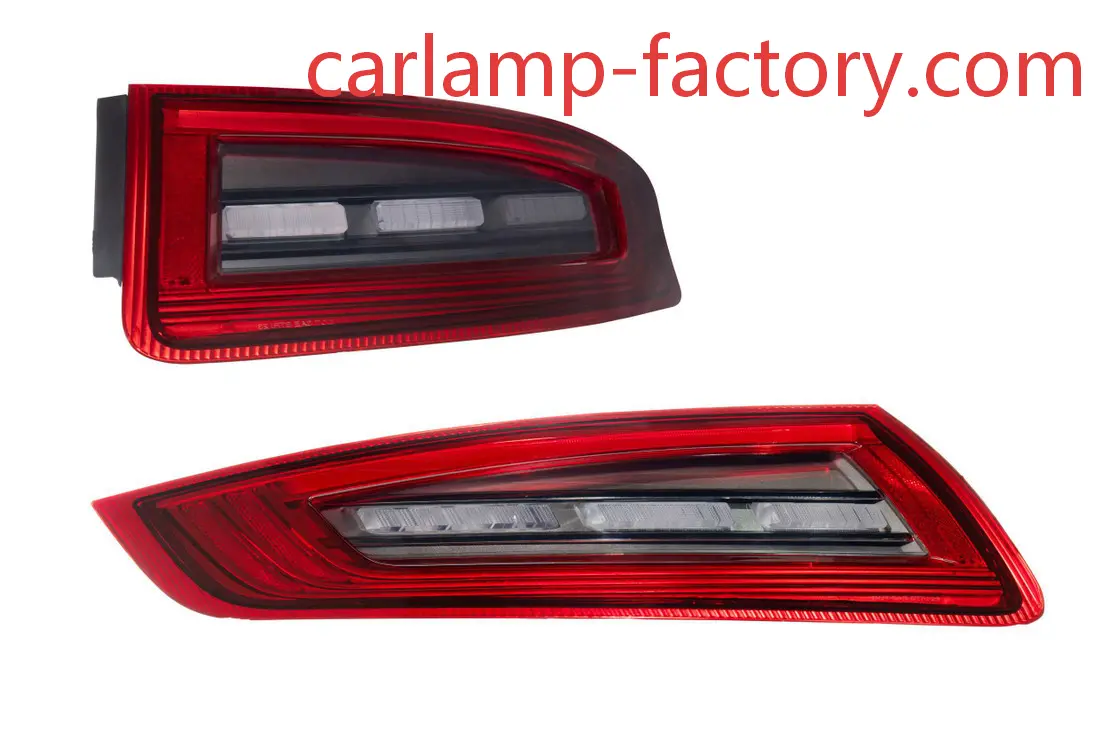
For drivers seeking a definitive answer to their compatibility concerns, exploring the product catalog directly reveals the level of detail provided for each model. The specifications for each lamp, including the applicable vehicle year and model, offer the clarity needed to proceed with confidence. Whether the requirement is for a dynamic sequential turn signal or a smoke-housing design, the foundational requirement of a correct fit is non-negotiable. The complexity of modern vehicle electronics does not have to result in a complex installation process for the owner. The integration of robust engineering and precise manufacturing ultimately resolves the initial question, allowing for an enhancement that functions as seamlessly as the original equipment.
Consider the specific needs of your vehicle and consult the available technical resources to confirm the exact requirements for your car's lighting system. The right product will interface with the vehicle's existing wiring without the need for additional decoding modules or homemade electrical splices. You are invited to view the available options for your specific model at https://www.carlamp-factory.com/ approach addresses the critical question of compatibility from the very first connection.



Share this page with your family and friends.