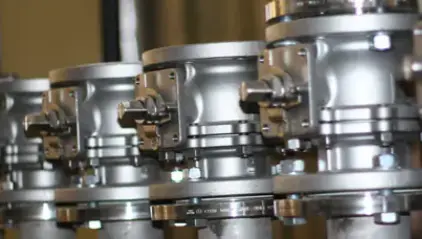
In modern industrial fluid control systems, selecting a reliable Cast Steel Floating Ball Valve solution is essential for ensuring stable sealing performance, efficient flow regulation, and long-term operational reliability across complex environments. As industries such as oil and gas, chemical processing, and water treatment continue to develop, the demand for durable and adaptable valve technologies has increased significantly.
Material selection is a critical factor in the performance of floating ball valves. Cast steel is widely used due to its excellent strength, structural stability, and resistance to mechanical stress. This material provides a strong foundation for valve construction, allowing it to maintain integrity under continuous operation. Zhejiang Naishi Valve Co focuses on optimizing casting processes and material composition to ensure consistent quality and long service life in industrial valve applications.
The core function of a floating ball valve is based on its unique structural design. The ball is not fixed but allowed to move slightly within the valve body, enabling it to press tightly against the sealing surface when pressure is applied. This self-sealing characteristic enhances leak prevention and ensures reliable shut-off performance. The design also allows smooth operation, reducing friction and improving overall efficiency in fluid control systems.
Performance reliability is one of the most important advantages of floating ball valves. The sealing mechanism is designed to maintain tight closure over long operational cycles, minimizing the risk of leakage. This is particularly important in industries where fluid control accuracy and safety are essential. Consistent sealing performance helps maintain system stability and reduces the likelihood of operational disruptions.
Durability is another key feature of cast steel floating ball valves. These valves are engineered to withstand mechanical stress, temperature fluctuations, and exposure to various industrial media without compromising performance. This ensures a longer operational lifespan and reduces maintenance frequency, allowing industries to optimize costs and improve efficiency.
Maintenance efficiency is also a significant consideration in modern valve design. Floating ball valves are developed with simplified internal structures that allow for easier inspection and servicing. This minimizes downtime and supports continuous system operation, which is especially important in large-scale industrial facilities.
The application range of floating ball valves is extensive. In oil and gas pipelines, they provide reliable flow control and ensure safe transportation of fluids. In chemical processing plants, they handle a wide range of media with stability. In water treatment systems, they contribute to efficient distribution and flow management. Their versatility makes them a key component in modern industrial infrastructure.
With the advancement of automation technology, floating ball valves are increasingly integrated into intelligent control systems. Electric and pneumatic actuators enable remote operation, real-time monitoring, and precise flow adjustment. This enhances operational efficiency and reduces manual intervention in complex industrial processes.
A professional Cast Steel Floating Ball Valve provider plays a vital role in delivering high-quality valve solutions that meet evolving industrial demands, and more detailed product information can be explored directly through https://www.ncevalve.com/product/ as part of advanced industrial valve applications.



Share this page with your family and friends.