
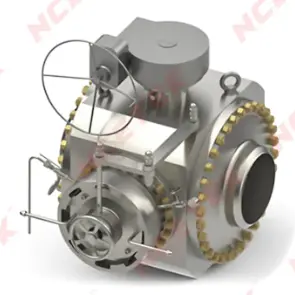
NCETEK Cryogenic Ball Valve Design for Low Temperature Systems
4 minutes, 0 seconds
-715 Views 0 Comments 0 Likes 0 Reviews
4 minutes, 0 seconds
-715 Views 0 Comments 0 Likes 0 Reviews
In modern industrial fluid control systems, selecting a reliable Cryogenic Ball Valve Design is essential for ensuring safe operation, stable sealing performance, and efficient flow control in extremely low-temperature environments. With the rapid development of LNG, liquefied gas transportation, and cryogenic storage systems, the demand for high-performance valve solutions continues to grow across global industries.
Material selection is a critical factor in cryogenic valve performance. Special stainless steel, low-temperature resistant alloys, and advanced sealing materials are widely used to maintain structural integrity under extreme cold conditions. These materials ensure that the valve remains stable and functional even when exposed to severe thermal contraction and continuous cryogenic operation. Zhejiang Naishi Valve Co focuses on material optimization to enhance reliability and ensure long-term performance stability in cryogenic applications.
The core function of cryogenic ball valves is to provide precise and safe flow control in ultra-low temperature environments. The internal ball mechanism allows smooth rotation, enabling accurate regulation of liquid or gas flow while maintaining sealing stability. This is especially important in systems where sudden temperature changes can affect fluid behavior and system safety.
Performance reliability is one of the most important characteristics of cryogenic valve systems. The sealing structure is specially engineered to maintain tight closure even under extreme temperature fluctuations, preventing leakage and ensuring operational safety. In industries such as LNG processing and industrial gas distribution, this level of reliability is essential for maintaining continuous and safe operations.
Another key advantage of cryogenic ball valves is their resistance to thermal stress. Under extremely low temperatures, materials may contract or become brittle, but cryogenic valve designs are optimized to withstand these conditions without performance degradation. This ensures long service life and reduces the need for frequent maintenance or replacement.
Maintenance efficiency is also an important design consideration. Cryogenic ball valves are engineered with simplified structures that allow easier inspection and servicing, even in complex industrial systems. This reduces downtime and ensures stable system operation, which is critical for large-scale energy and gas infrastructure.
Cryogenic ball valves are widely used across multiple industrial sectors. In LNG terminals, they control the safe transfer and storage of liquefied natural gas. In aerospace applications, they manage cryogenic fuel systems. In industrial gas plants, they ensure stable distribution of oxygen, nitrogen, and other cryogenic substances. Their versatility makes them essential components in modern low-temperature engineering systems.
With the advancement of automation technology, cryogenic valve systems are increasingly integrated with electric and pneumatic control mechanisms. This allows remote operation, real-time monitoring, and precise flow adjustment, improving overall system efficiency and reducing manual intervention in hazardous environments.
A professional Cryogenic Ball Valve Design provider plays a vital role in ensuring product safety, engineering precision, and long-term reliability. Through advanced manufacturing technology, strict quality control, and continuous innovation, manufacturers deliver high-performance solutions for extreme temperature applications.
For more product information and industrial valve solutions, visit https://www.ncevalve.com/product/
NCETEK Cryogenic Ball Valve Design Cryogenic Valves Industrial Solutions Flow Control


Share this page with your family and friends.