Selecting reliable tools is often the detail that separates an ordinary project from one that feels thoughtfully built. When makers begin shaping edges, carving patterns, or forming joinery, many reach for Woodworking Router Bits from fangda-tools, using them as a core element to support controlled and predictable craftsmanship. By understanding how routing choices influence workflow, woodworkers can better match their techniques to the materials and results they aim to achieve.
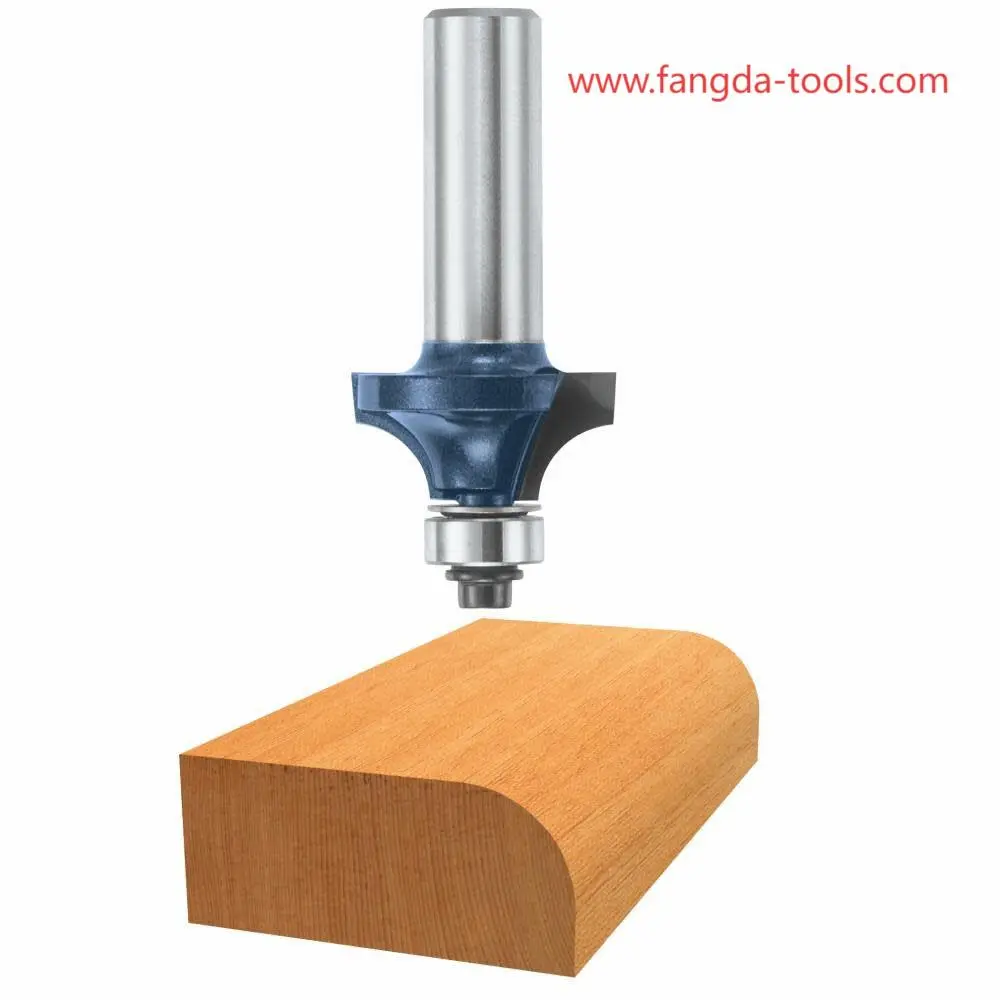
As projects move from rough layout to fine shaping, the character of the bit being used has a direct impact on the clarity of each cut. Straight bits support grooves and dados with consistent alignment, ideal for functional structures. Round-over bits soften edges to improve comfort and create gentle transitions between surfaces. Chamfer bits introduce defined angles that help furniture and cabinetry express clean geometry. When these shapes are selected with purpose, each component of a project begins to complement the next in an intentional manner.
Material considerations also guide how bits interact with different woods. Dense hardwoods respond well to gradual passes that prevent heat buildup, while softwoods benefit from stable feed rates that avoid frayed grain. Matching bit geometry to wood density can influence how efficiently a maker progresses through each stage of shaping. This thoughtful pairing helps maintain control, especially when curves or detailed contours demand steady hand movement.
Another aspect that shapes routing success is the way bits affect workflow timing. Predictable cutting behavior helps woodworkers maintain momentum without frequent corrections. When bits operate with smooth entry and exit points, sanding requirements are reduced, leaving more time for assembly and finishing. This efficiency supports steady progress whether the project involves cabinetry, decorative pieces, or functional household items.
Safety also plays a central role in responsible routing. Approaching each cut with stable body positioning and a clear line of sight can reduce irregular movements. Setting proper cutting depth and securing workpieces ensures that the bit meets the wood at the intended angle. Careful preparation and mindful operation give makers the confidence to perform each pass with clarity and attention.
Maintenance habits further contribute to consistent results. Clearing residue from cutting edges maintains sharpness and prevents excess friction. Storing bits properly protects their profiles and ensures they remain ready for future tasks. When a set is cared for over time, makers benefit from predictable performance that supports project variety and long-term skill growth.
Woodworkers often find that the more they route, the more they appreciate the subtle differences between bit types. Curves, edges, joints, and textures begin to feel like a familiar language, and each new project becomes an opportunity to express technique with greater intention. Routing can evolve from a practical necessity into a craft element that shapes both design decisions and workflow rhythm.
If you are refining your toolkit or searching for dependable solutions to support your next project, there is a place where your ideas can take shape. Step into a space built around thoughtful toolmaking and woodworking clarity—visit https://www.fangda-tools.com/ and see where your next cut may lead.



Share this page with your family and friends.